

Key takeaways
- Self-awareness is the access point for better leadership: you can’t change what you can’t see.
- Writing your own eulogy shows the gap between what you say you value and how you actually spend your time and attention.
- Legacy isn’t built in milestone moments. It’s built in ordinary ones.
- Start with three questions: whose experience of you matters most, what would they say today, and what one thing can you change now?
Most leaders spend their careers building influence outward — and very little time examining what’s driving them from within.
This piece explores a single exercise that changes that: writing your own eulogy. Not as a morbid thought experiment, but as a precision tool for closing the gap between stated values and lived behavior. Research by organizational psychologist Tasha Eurich found that only 10–15% of people are truly self-aware. A Cornell study of 72 senior executives found a high self-awareness score was the strongest predictor of overall success. The leaders who do this work don’t just lead better at the office. They lead better everywhere that matters.
Legacy isn’t built in milestone moments. It’s built in ordinary ones — and it starts with the courage to look honestly at the gap between who you are and who you intend to be.
One of my favorite things I get to do is hold space for leaders to do the deep work.
Not the strategy work. Not the KPI work. The real work — the kind that changes how you show up on a Tuesday afternoon when no one is watching.
One of the most powerful ways I facilitate that is through a single question:
What do you want people to say about you when you’re gone?
I know. It sounds deep. But that’s the point.
Legacy Isn’t What You Think It Is
We tend to think about legacy as something we earn at the end of a career. A final chapter. A plaque on a wall. A park named after us.
But legacy doesn’t work that way. Legacy isn’t what you get 20 or 30 years from now. Legacy is created by how you show up in the present moment. It’s the moments you stack, one by one, that build the life and leadership you’ll be remembered for.
Here’s the other thing most people miss: legacy can be driven by the ego, or it can be driven by love. It can be used to fill a void, or it can be used to extend one. The distinction matters more than most leaders realize.
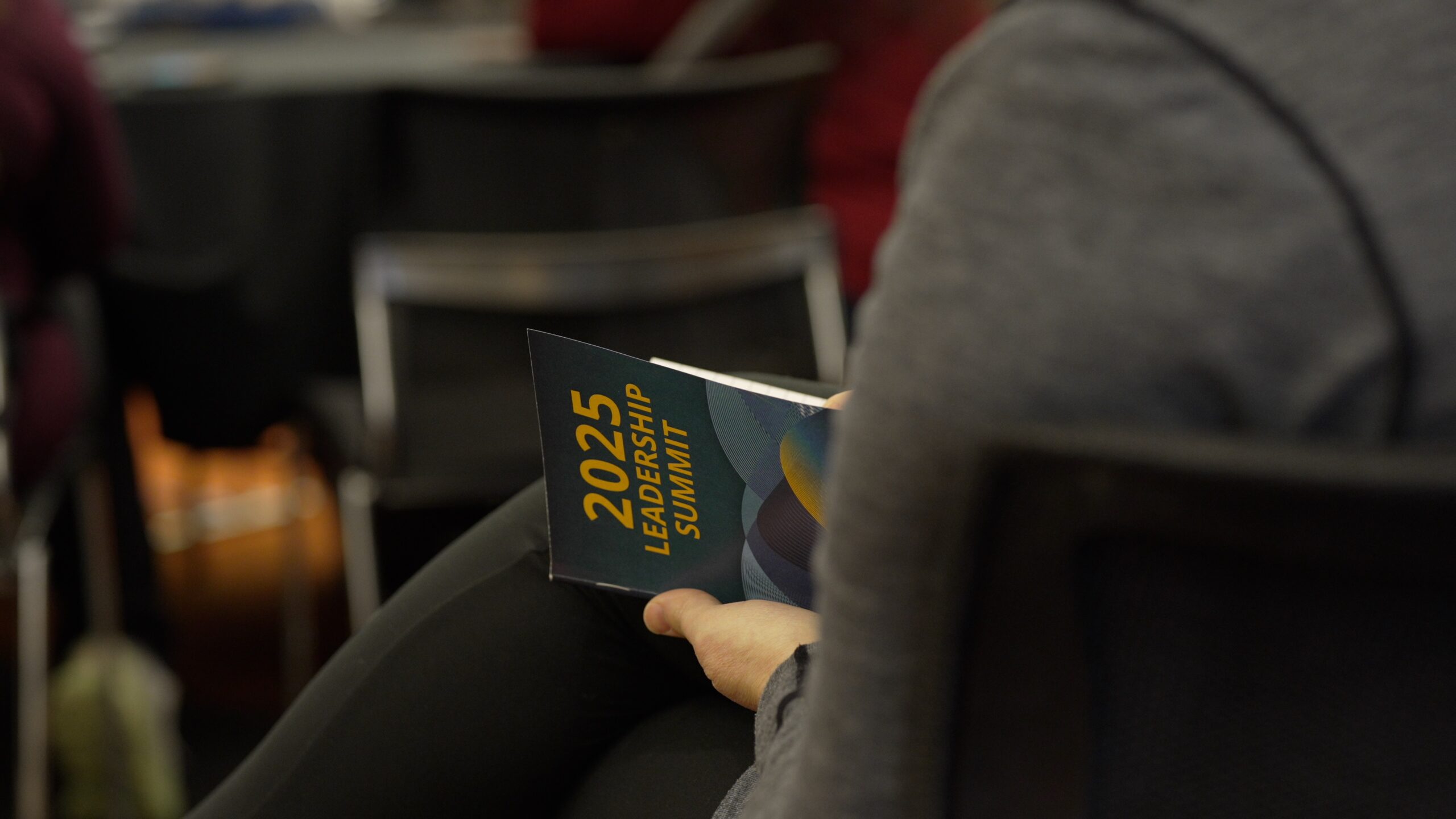
When I work with a group of executives, in a leadership keynote or workshop, I often take them through an exercise where they write out their own eulogy. I ask them to write out, in their own words, what they’d want said about them at the end of their lives. I ask them to write it out as a speech. What they accomplished. What they did for others. The impact they made — on their families, their communities, their organizations.
It’s not a morbid exercise. It’s a clarity exercise.
The Moment That Stopped the Room
I was recently facilitating this exercise with a group of senior leaders. When we finished writing, I gave everyone the chance to share something that came through — an insight, a feeling, whatever was sitting with them.
One person volunteered to read his entire eulogy out loud.
It was about his kids. The mistakes he’d made. The flaws he carried. The lessons he’d learned. The ways he’d tried to show up for them — and the ways he hadn’t. It was raw, and it was real, and the room felt it.
Then another leader raised his hand. He wasn’t going to read his. But he had something he needed to say.
“I wrote this whole thing and I barely mentioned my family at all. I have two kids. And I care more about what my industry thinks of me than my own kids.”
He was almost in tears. You could feel the grief in it.
The grief of living and leading out of alignment.
Awareness Is the Access Point
What did that exercise do for him?
It created awareness.
As the line often credited to Carl Jung puts it, “Until we bring the unconscious to the conscious, it runs our life and we call it fate.”
That leader had been making choices — thousands of small choices — that were quietly out of alignment with what he actually valued. Not because he didn’t care. But because the unconscious patterns were running the show.
The moment he saw it clearly, everything changed. Not because he had a new strategy. Not because someone gave him a framework. But because he could finally see the gap between who he was being and who he actually wanted to be.
Research by organizational psychologist Tasha Eurich found that while 95% of people believe they are self-aware, only 10–15% actually are. In a separate Cornell study of 72 senior executives, a high self-awareness score was the strongest predictor of overall success. With that awareness, he could make a new choice.
To show up differently. To lead with more intention. To build a legacy he’d be proud of — not just in the boardroom, but at the dinner table.
Why Is Self-Awareness Important in Leadership?
Self-awareness is important in leadership because you can’t change what you can’t see. Once you notice the thoughts, feelings and habits behind your decisions, you can choose your response instead of running on autopilot.
I see it pay off in three places:
- Decisions. A self-aware leader notices when fear or ego is shaping a call, and slows down long enough to separate emotion from fact.
- Pressure. When the stakes rise, awareness is what lets you catch the tight chest or the urge to fire back before it takes over the room.
- Relationships. The better you know your own patterns, the better you read your team. You notice who has gone quiet, who is carrying too much and what isn’t being said.
Steve Nash, one of the best point guards in NBA history, had a rough start in college. Defenders kept taking the ball from him. Instead of getting frustrated, he asked the player guarding him why it was so easy. The answer helped him adjust his game. That’s self-awareness in action: asking for honest feedback, hearing it without getting defensive and changing what you do next.
The eulogy exercise does the same thing on a bigger scale. It shows you the gap between what you say you value and where your time and attention actually go.
This Isn’t About Neglecting Your Work
Let me be direct about something, because I know how high-performers think.
This isn’t about abandoning your ambitions or going soft on your standards. The awareness you gain from this kind of work doesn’t make you less effective. It makes you more intentional — which makes you better at everything.
And here’s what I’ve come to believe after working with leaders across industries: the better parent you are, the better leader you are. The better partner. The better human. When we carry this kind of awareness into every relationship, every conversation, every decision, it compounds.
It doesn’t mean every moment is perfect. It means you’re present in the moments that matter. It means you’re choosing how you show up instead of defaulting to habit.
That’s the work. And it starts not with a new system or a better calendar, but with a question:
If someone stood up today and said everything they needed to say about you — what would you want them to say?
Write it down. Be honest.
Then ask yourself: am I living that?
The Legacy Practice
I’ll leave you with three questions to sit with:
Who are the people whose experience of you matters most? Name them. Not titles or industries. People.
What would they say about you today? Not what you hope they’d say. What they actually would.
What’s one thing you could do differently, starting today, to close that gap?
Legacy isn’t built in milestone moments. It’s built in the ordinary ones. The conversation you have at the end of a hard day. The decision you make when no one’s watching. The way you listen when someone needs to feel heard.
Moment by moment. That’s where legacy lives.
Frequently Asked Questions
What is self-awareness in leadership?
It’s a leader’s ability to see their own thoughts, feelings and habits clearly, and how others experience them. It’s the starting point for every other leadership skill.
How does self-awareness make you a better leader?
Self-awareness lets you see the thoughts, feelings and habits driving your decisions, so you can choose your response instead of running on autopilot. It shapes how you decide, how you handle pressure and how well you read your team.
What are examples of self-awareness in leadership?
Noticing when fear or ego is shaping a decision. Catching the urge to fire back before it takes over a meeting. Asking for honest feedback and hearing it without getting defensive, the way Steve Nash asked a defender why it was so easy to take the ball from him.
How do you build self-awareness as a leader?
Make space to look honestly at the gap between your values and your behavior. The eulogy exercise is one of the most powerful tools Mike uses with executives. A regular mindfulness practice helps too, because it trains you to notice what’s happening inside you as it happens.
Bring this to your team
Want this exercise run with your leadership team? Mike uses it in his leadership keynotes and workshops, and goes deeper with executives one-on-one in his 1:1 leadership coaching.